

Takeaway food boxes: the complete guide for professionals
Takeaway food boxes: the complete guide for professionals
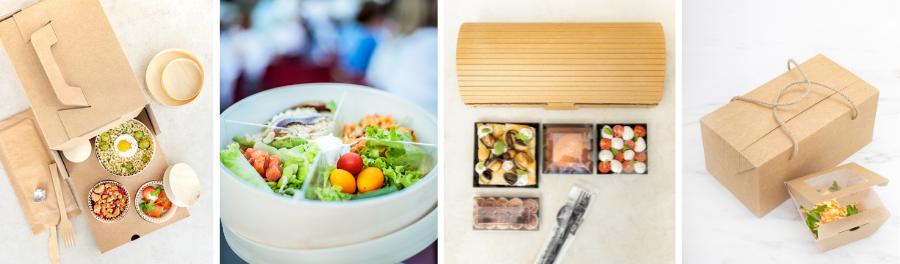
Restaurateurs, caterers and dark kitchen operators: takeaway food containers have become a direct extension of your kitchen. In 2025, the French food delivery and takeaway market exceeded €12 billion in revenue (source: NPD Group / CREST). Every container leaving your establishment carries your brand image, protects your dish and influences the end customer's satisfaction, whether they enjoy a quick lunch at work or a meal at home. A poorly chosen container can ruin an otherwise perfect dish. A well-designed one extends the dining experience all the way to the consumer's table.
To sum up:
- Leak-proofing is essential, not optional: it depends as much on the lid as on the container itself.
- Temperature retention affects both customer satisfaction and food safety compliance during delivery.
- Cardboard, wood, PP and reusable containers: each material offers a different balance between leak resistance, microwave suitability, presentation and storage requirements.
- A microwave-safe container does not guarantee that its lid is microwave-safe: this is one of the most common mistakes when restocking supplies.
- Grease-resistant coatings are now subject to stricter regulations: since August 2026, PFAS restrictions have applied to food-contact packaging.
- Container sizes and formats must be tested under real-world conditions: assemble them with your actual dishes and test them during transport rather than relying on photographs alone.
What you really need from a takeaway food container
Before comparing materials or suppliers, it is essential to go back to the basics. A professional takeaway food container must fulfil three non-negotiable functions, regardless of the type of cuisine you offer or the product being packaged.
Contain without leaking, the primary function
A dish with sauce, a curry or a poke bowl: these meals contain liquids that must stay inside the container.
Leak-proofing is not an added benefit; it is the bare minimum for an airtight container. Saucy dishes account for a significant share of takeaway orders. If the delivery bag arrives stained, the customer experience is ruined before the first bite.
In practical terms, this means:
- A precisely fitting lid with a clip or groove closure system.
- Seals or a grease-resistant inner coating for cardboard containers.
- Reliable seals for PP trays.
Maintain hot or cold temperatures throughout delivery
Temperature control is a critical factor. A hot meal served lukewarm loses much of its appeal. Conversely, a poke bowl, crunchy vegetables or a salad that are no longer kept at the right temperature can quickly pose a food safety risk, particularly when they contain highly perishable ingredients.
Under the French Order of 21 December 2009 (Annex I), which sets out the health rules applicable to foodstuffs, hot prepared foods must be kept at a temperature of at least 63°C, while highly perishable chilled foods must be stored at a maximum of 3°C, including during transport.
For hot meals, a thick-walled double-wall kraft cardboard box or a microwave-safe PP container offers better insulation and allows the meal to be reheated when the material is suitable for this purpose. For cold food, an additional insulated bag is often necessary, although the container itself can help slow heat loss through its design.
Résister à l'empilage et à la manipulation
During peak service hours, containers are stacked on the counter, inside delivery bags and then on the passenger seat. Structural rigidity is therefore essential. The weight of the contents can put considerable strain on the packaging: a container that deforms affects presentation and increases the risk of leaks. Rectangular formats generally offer better stacking stability than round ones. Cardboard fluting or PP thickness (at least 0.6 mm for a standard tray) helps ensure mechanical strength.
Which takeaway container format is best for your dishes?
There is no one-size-fits-all container. The format must suit the contents, portion size, chosen packaging design and the experience you want to offer. Here are the most common options in professional food service.
Single-compartment or multi-compartment containers, depending on the dish composition
The single-compartment container is ideal for one-pot dishes such as pasta, risotto, curries and soups. It maximises usable volume and simplifies food preparation and packing in the kitchen, making it particularly suitable for everyday meals.
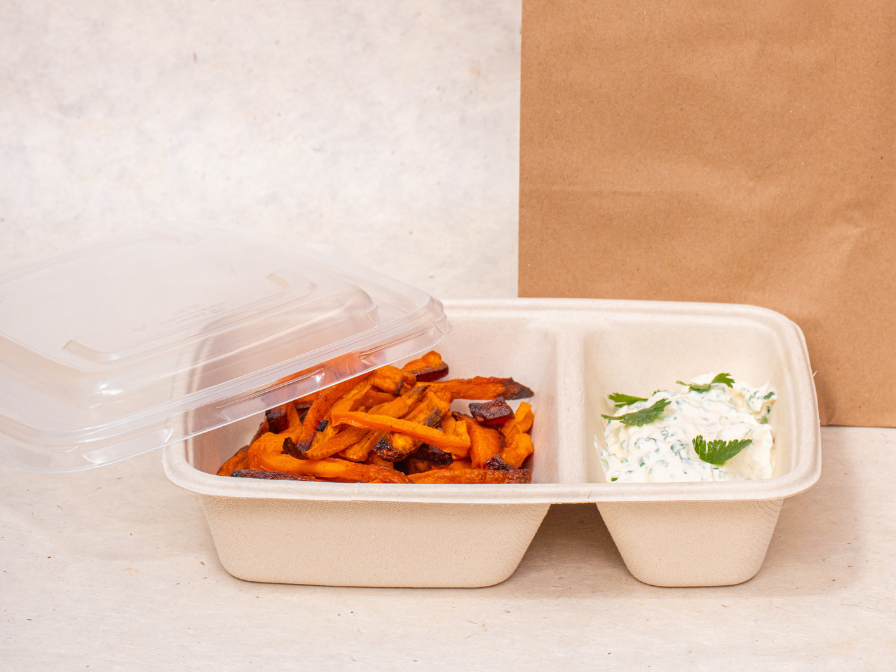
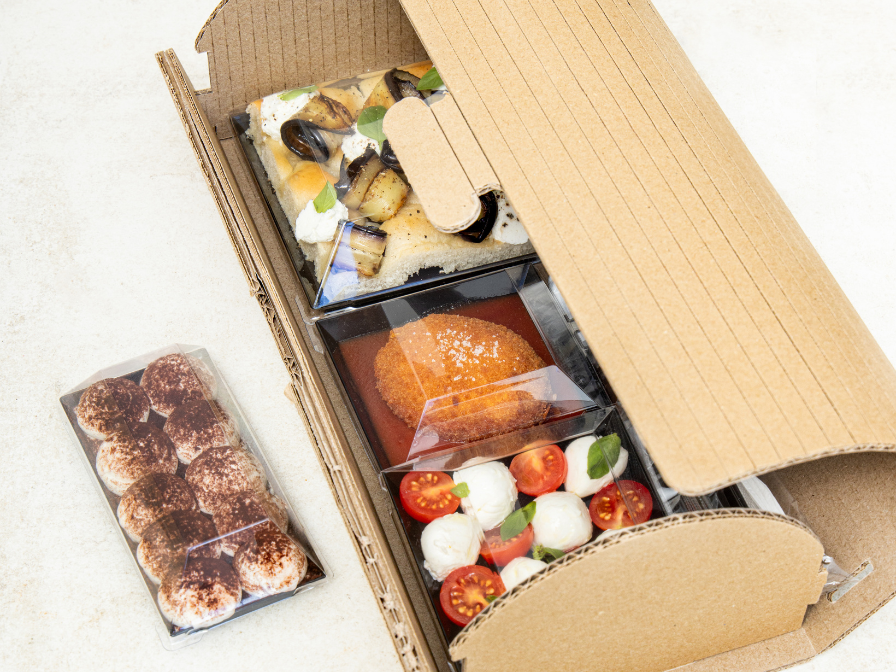
The compartmentalised container, on the other hand, is essential whenever a dish combines several elements that should remain separate: a protein, a starch, vegetables and a separate sauce. The two- or three-compartment bento box is particularly popular in healthy food service, Asian cuisine and lunchbox offerings. It preserves the textures and flavours of each component.
Some guidelines for container capacity:
- 500 ml: a light individual portion (salad, snack).
- 750–900 ml: a standard main course.
- 1,200 ml and above: a complete meal or family-sized portion.
The clear window: when presentation drives purchasing decisions
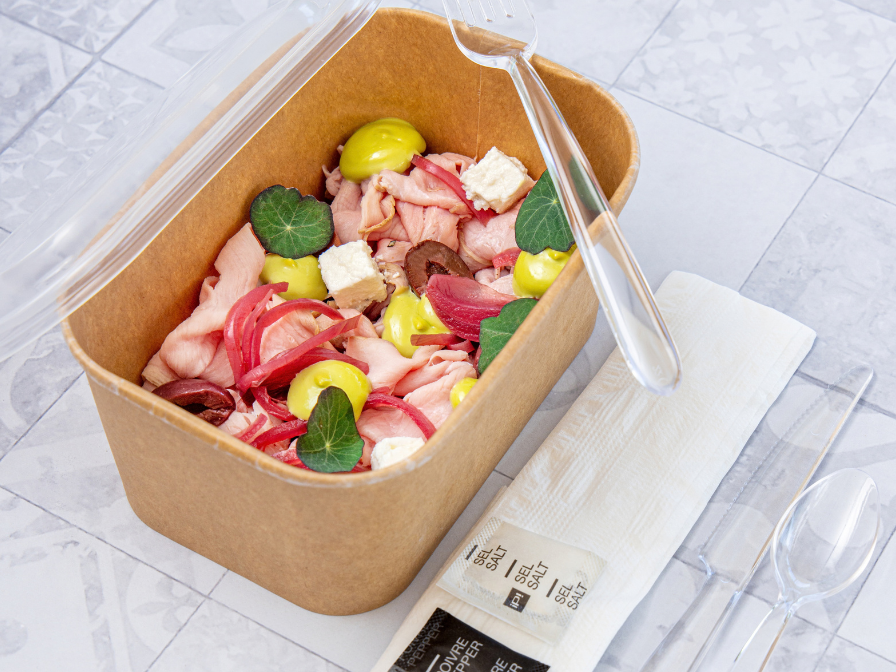
In a bakery display, delicatessen counter or self-service outlet, customers eat with their eyes first. A container with a clear window showcases the contents and stimulates purchasing desire. This option is particularly effective for mixed salads, desserts and meal trays.
However, the window must be made from a material suitable for food contact, such as PET or PLA. To explore the topic further and find out which containers are best suited to your takeaway dishes, we have published a dedicated article that complements this guide.
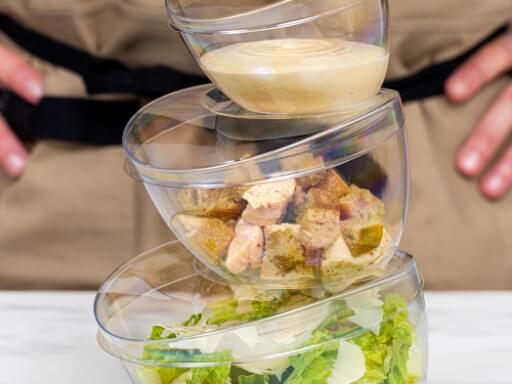
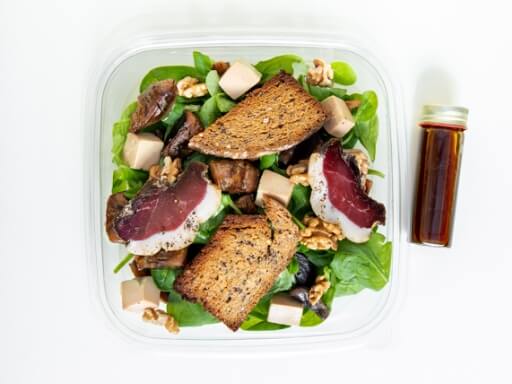
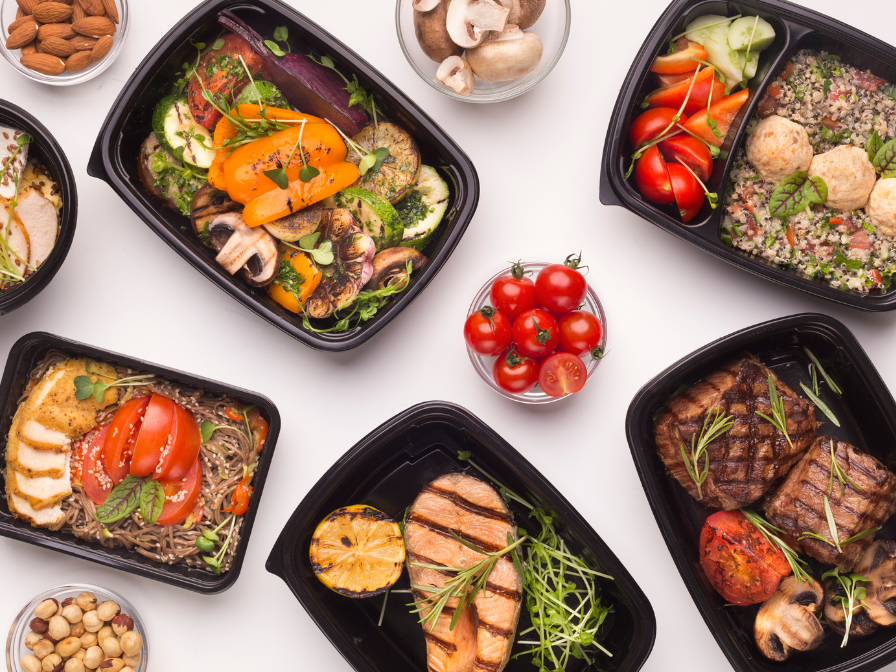
Choosing the right material: cardboard, wood, PP or reusable containers
Material selection is arguably the most important decision. It affects unit cost, customer perception, food safety compatibility and your environmental footprint. Here is a clear comparison of the available options to help you choose the best containers for your business.
Cardboard and kraft: ideal for high volumes and presentation
Kraft cardboard is the most widely used material for takeaway food packaging. It offers several advantages:
- Cost-effective: between €0.15 and €0.45 per unit, depending on the format.
- Natural, warm appearance: appreciated by consumers.
- Easy to customise: ideal for printing branding and designs.
- Recyclable and compostable: subject to the type of coating used and applicable conditions.
Limitations: Cardboard alone is not waterproof. It requires an inner coating (PE or PLA) to contain liquids and grease. This coating can make recycling more difficult if local recycling facilities are not equipped to process it.
Wood, for a presentation that enhances the contents
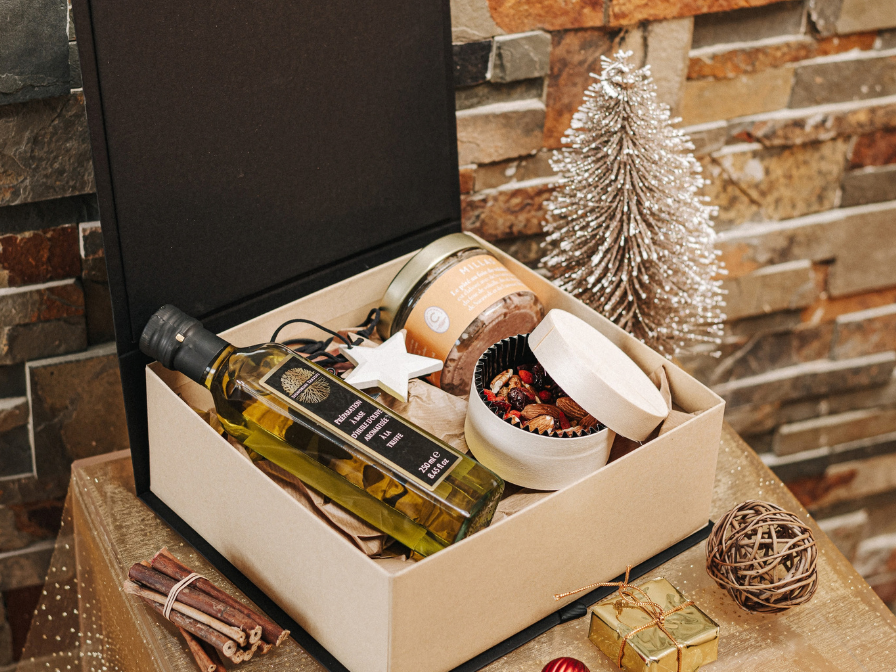
Wooden boxes add an immediate premium touch. They are particularly well suited to high-end caterers, delicatessens and fine-dining restaurants offering a carefully presented takeaway service. Naturally rigid, lightweight and biodegradable, wood is a practical solution for enhancing certain food presentations.
To explore practical solutions made from this material, discover our Woodbox range: wooden containers designed for professional food service, available in a variety of formats.
PP, for leak resistance and microwave use
Polypropylene (PP) remains essential when reliable leak resistance and microwave compatibility are required. PP trays can withstand temperatures ranging from -20°C to +120°C, making them suitable for both cold storage and reheating.
It is a logical choice for:
- Hot dishes with sauces, such as tagines, gratins and soups.
- Meals delivered through platforms that require containers to be microwave-safe for consumers.
- Central kitchens and institutional catering.
- PP is recyclable (recycling code 5), but its actual recycling rate in France remains relatively low, at around 30%, according to Citeo (2024).
Reusable containers
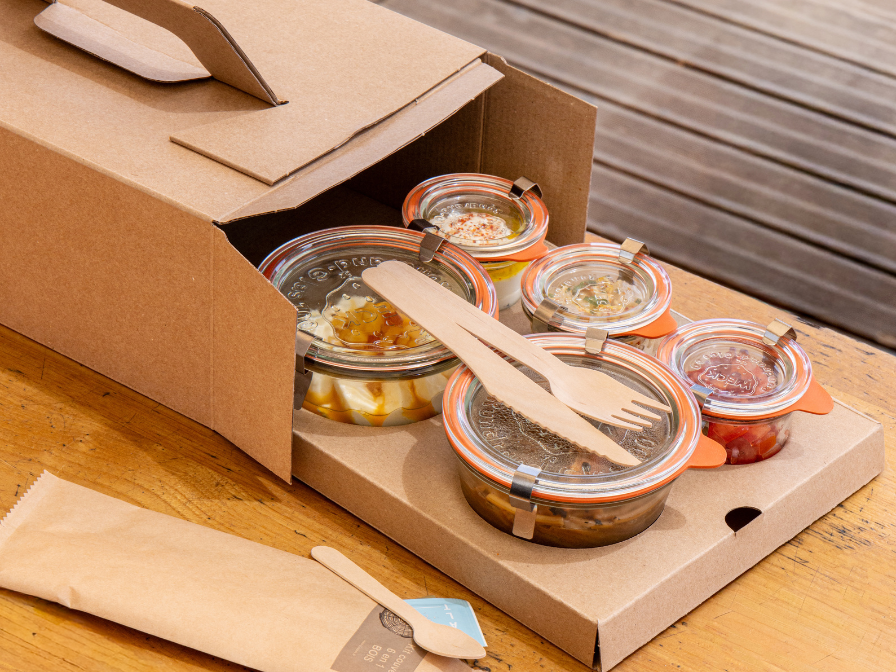
Since the introduction of France's AGEC law and its implementing regulations, reusable packaging has been progressively gaining ground in the food service industry. Glass, stainless steel and reusable PP containers can last for several hundred use cycles. They appeal to environmentally conscious customers and help reduce waste, while fitting into a suitably adapted workflow.
However, return logistics, washing and container stock management represent significant operating costs. To better understand the trade-offs between these two approaches, we have published a detailed analysis: Reusable or recyclable: which should you choose?
Material | Leak resistance | Microwave-safe | Recyclability | Visual appeal |
Kraft cardboard | Moderate (with coating) | No | Good | Natural, warm |
Wood | Low | No | Biodegradable | Premium |
PP | Excellent | Yes | Recyclable (PP5) | Standard |
Reusable (stainless steel/glass) | Excellent | Glass: yes / Stainless steel: no | Reusable for 300+ cycles | High-end |
The lid and leak resistance: keeping service running smoothly
The lid is the key component in ensuring leak resistance. It is also the element most often underestimated. A poorly fitting lid can cause leaks, accidental openings during transport and faster heat loss.
The most reliable closure systems:
- Snap-on lid: a mechanical pressure-fit closure. Ideal for PP trays and reinforced cardboard containers.
- Hinged lid (clamshell): the container and lid form a single piece. Convenient for fast service, but less leak-resistant for dishes with sauces.
- Heat-sealed film: a film sealed onto the tray using heat. This is the most leak-resistant solution, commonly used in institutional catering and long-distance food delivery.
- Screw-on lid or silicone seal: designed for reusable containers, such as stainless steel lunch boxes and glass food containers.
- One often overlooked factor: ventilation. For hot dishes, a completely airtight lid can cause condensation, making fried foods and breaded coatings soggy. Some lids feature micro-perforations or adjustable vents that release steam without allowing liquids to escape.
What regulations require for your takeaway food containers
Regulations strictly govern materials that come into contact with food. Here are the key legislation and requirements every food service professional should know:
- Règlement (CE) n°1935/2004 : tous les matériaux destinés au contact alimentaire doivent être inertes et ne pas transférer de substances en quantités dangereuses.
- Règlement (CE) n°10/2011 : spécifique aux matières plastiques, il fixe les limites de migration des substances et oblige l’émission d’un certificat d’alimentarité du packaging en plastique par les fabricants ou distributeurs.
- Règlement (UE) n°1169/2011 : fixe les règles d’étiquetage des aliments mis à la vente préemballés ou non.
- Loi EGalim I (2018) : les vendeurs de boissons à emporter doivent adopter un tarif inférieur si le consommateur vient avec son propre récipient réemployable. Les services de restauration collective proposant de la vente à emporter doivent servir les consommateurs dans un contenant réemployable ou contenant de la matière première recyclée.
- Loi AGEC (2020) et ses décrets : interdiction progressive du plastique à usage unique pour certains usages de restauration et objectif de réduction des emballages en plastique à usage unique. Depuis 2021 : interdiction des récipients en PS expansé pour la restauration sur place comme à emporter. Les consommateurs peuvent également apporter leurs contenants dans les commerces.
- Marquage et traçabilité : le pictogramme « verre et fourchette » (apte au contact alimentaire) ou l’une de ses mentions réglementaires équivalentes peut figurer sur l'emballage ou sa documentation.
En cas de contrôle de la DGCCRF, vous devez être en mesure de fournir les déclarations de conformité de vos fournisseurs d'emballages. Assurez-vous que chaque référence de boîte alimentaire que vous utilisez dispose de la documentation à jour.
Regulation (EC) No 1935/2004: All materials intended to come into contact with food must be inert and must not transfer substances into food in quantities that could pose a risk to human health.
Regulation (CE) No 10/2011: Specifically applies to plastic materials. It establishes limits for substance migration and requires manufacturers or distributors to provide a declaration of compliance for plastic food packaging.
Regulation (EU) No 1169/2011: Establishes food labelling requirements for products sold, whether prepackaged or non-prepackaged.
EGalim I Law (2018): Sellers of takeaway beverages must offer a lower price when consumers bring their own reusable containers. Collective catering services offering takeaway meals must serve consumers in reusable containers or containers made from recycled raw materials.
AGEC Law (2020) and its implementing regulations: Introduces a gradual ban on single-use plastics for certain food service applications and aims to reduce single-use plastic packaging. Since 2021, expanded polystyrene (EPS) containers have been prohibited for both dine-in and takeaway food service. Consumers may also bring their own containers to shops.
Labelling and traceability: The “glass and fork” symbol, indicating suitability for food contact, or an equivalent legally recognised statement may appear on the packaging or its accompanying documentation.
In the event of an inspection by the French Directorate General for Competition Policy, Consumer Affairs and Fraud Control (DGCCRF), you must be able to provide declarations of compliance from your packaging suppliers. Make sure that up-to-date documentation is available for every food container reference you use.
Customising your takeaway food containers: a branding opportunity
A takeaway food container is more than just a functional package. It is a communication tool that travels through the streets, offices and social media. Distinctive packaging generates visual word-of-mouth and strengthens brand recognition.
Personalise what your customers take away
Customisation can range from a simple sticker to full-colour printing. The most common options include:
Logo printing on the lid or sleeve of the container.
Custom closure stickers: a cost-effective solution for small production runs.
Printed sleeve: a cardboard band wrapped around a standard container.
Direct printing on the container: a professional finish, usually requiring higher minimum order quantities.
According to a Packaging Insights study (2024), 72% of consumers say that well-designed packaging improves their perception of meal quality. To explore the options best suited to your business, discover how to customise your packaging with Comatec.
Test a format before outfitting your operation
Changing containers represents an investment: kitchen workflows may need adjusting, material costs must be recalculated and portion sizes may need to be adapted. Before placing a bulk order, it is wise to test the format under real-world conditions.
Check its compatibility with your dishes, its performance during transport and how easily it can be closed during peak service. Most professional suppliers offer this option. For example, you can request a free sample to validate your choice before committing, comparing several models under real-world conditions.
Choosing a takeaway food container is never simply a matter of price. It involves balancing technical performance, brand image, regulatory compliance and environmental impact. As a food service professional, you would benefit from testing several formats, checking your suppliers' compliance and viewing packaging as an extension of your kitchen. A great dish deserves a great container, and your customers will notice the difference.
FAQ :
What are the key criteria for choosing a professional takeaway food container?
The three key criteria are leak resistance (especially for dishes with sauces), temperature retention (hot food above 63°C and cold food below 4°C), and mechanical strength to withstand stacking and handling during transport. The choice of container format and material follows directly from these requirements.
Which material should you choose: cardboard, wood, PP or reusable containers?
Kraft cardboard is ideal for high volumes and tight budgets. Wood enhances premium offerings. PP is essential when excellent leak resistance and microwave compatibility are required. Reusable containers (stainless steel or glass) are suited to businesses looking to reduce waste, provided they have an appropriate return logistics system in place.
Does the law ban plastic takeaway food containers?
The AGEC law is gradually banning certain single-use plastics, but PP remains authorised for takeaway food containers. The requirement to use reusable tableware applies to dine-in meals at establishments with more than 20 seats. For takeaway and delivery, PP containers that comply with European regulations can still be used.
How can you customise your takeaway food containers without breaking the budget?
The most cost-effective solution is a custom closure sticker applied to standard containers. For larger volumes, printed sleeves or direct printing offer a more premium finish. It is advisable to request a sample before confirming a bulk order.
Can you use an insulated stainless steel lunch box for professional food service?
Yes, stainless steel lunch boxes are suitable for professional use, particularly in reusable packaging systems. Stainless steel is durable, taste-neutral and resistant. However, it is not microwave-safe. This format is suitable for businesses implementing a deposit-return system for reusable containers.