Categories : Blog

3 glass containers to create an elegant tasting experience

In the world of catering and hospitality, presentation is much more than a simple aesthetic detail. It constitutes the first sensory contact with your culinary creations and defines the memorable experience you offer your customers. Glass as a premium material now stands as an essential choice for demanding professionals who wish to combine elegance, durability and environmental responsibility.

At a time when consumers seek authenticity and quality, opting for glass containers for tasting becomes a real differentiating asset. Transparent, noble and infinitely reusable, these containers enhance your preparations while conveying strong ecological values. Whether it's a Sunday brunch, a signature cocktail or a refined dessert, glass brings that touch of sophistication that transforms a simple moment into a complete sensory experience.

This article presents three complementary glass container formats that, together, will allow you to create a coherent and elegant tasting journey, from welcome cocktail to final dessert. We will explore STAK verrines in their different capacities, the GINTO bottle for your signature liquid creations, and vintage milk bottles for your nomadic and authentic presentations. Discover how these three solutions can revolutionize your approach to culinary presentation.

Glass: an exceptional material to enhance your creations

The incomparable advantages of glass in catering

Glass possesses intrinsic qualities that make it the material of choice for any high-end culinary presentation. Its crystalline transparency allows you to fully reveal the colors, textures and layers of your creations, transforming each preparation into a visual work of art. Unlike plastic or other opaque materials, glass enhances culinary presentations by offering total visibility of the content.

Beyond aesthetics, glass guarantees absolute taste neutrality. It transfers no taste, no odor to your preparations, thus preserving the integrity of your most delicate recipes. This chemical inertness also ensures optimal preservation, whether you present acidic cocktails, dairy creams or savory preparations. For professionals concerned with taste quality, this criterion proves decisive.

Durability and responsible commitment

In a context where environmental responsibility becomes a major selection criterion for consumers, durable glass containers constitute a perfectly adapted response. Infinitely recyclable without loss of quality, glass fits into a virtuous circular economy. Unlike disposable containers, it can be reused hundreds of times, considerably reducing your ecological footprint.

For caterers, hoteliers and restaurateurs, adopting glass containers also represents a profitable investment in the medium term. Although the initial cost is higher than disposable alternatives, the exceptional durability of glass largely compensates for this difference. Moreover, offering glass containers reinforces your eco-responsible brand image, an argument increasingly valued by customers conscious of environmental issues.

An amplified sensory experience

The touch of glass, its coolness on the lips, its reassuring weight in hand: all these elements contribute to creating a multisensory experience that alternative materials cannot match. Glass actively participates in the perception of quality and refinement, positively influencing the overall satisfaction of your customers. This sensory dimension, often underestimated, nevertheless plays a crucial role in memorizing the culinary experience.

Glass containers also allow service at optimal temperature. Glass remarkably preserves cold for frozen desserts, frappé cocktails or flavored waters, while being able to accommodate warm preparations without alteration. This thermal versatility offers appreciable creative freedom for chefs and mixologists.

The STAK collection: versatility and elegance for your tastings

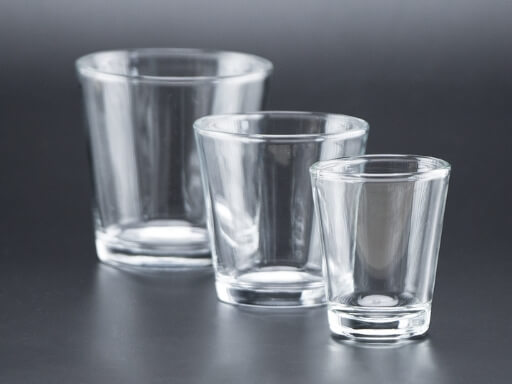
STAK verrine 6 cl: precision for appetizers

The STAK 6cl verrine represents the ideal format for your amuse-bouches and your most concentrated flavor creations. This small container offers a perfect volume for a gourmet bite that awakens the palate without satiating, thus respecting the philosophy of progressive tasting. Its streamlined shape and contemporary design adapt to all presentation styles, from most classic to most daring.

For caterers, this verrine constitutes a particularly appreciable solution during cocktail dinners or standing receptions. It allows you to serve sophisticated savory verrines such as citrus salmon tartare, beet mousse with fresh goat cheese, or even a consommé jelly topped with caviar. The transparency of glass highlights each layer of colors and textures, transforming these small portions into true culinary jewels.

STAK glass 10 cl: the perfect balance

The STAK 10cl glass embodies versatility par excellence. This intermediate format suits both individual desserts and refined starters or creative cocktail shots. Its 10 cl capacity offers enough space to compose elaborate preparations while maintaining a reasonable and elegant portion.

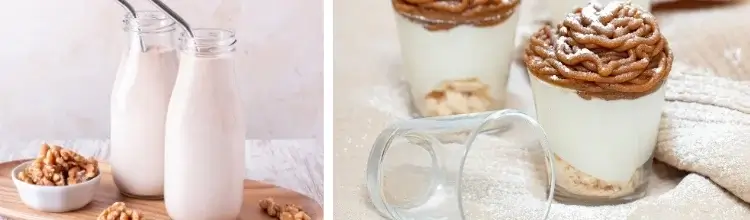
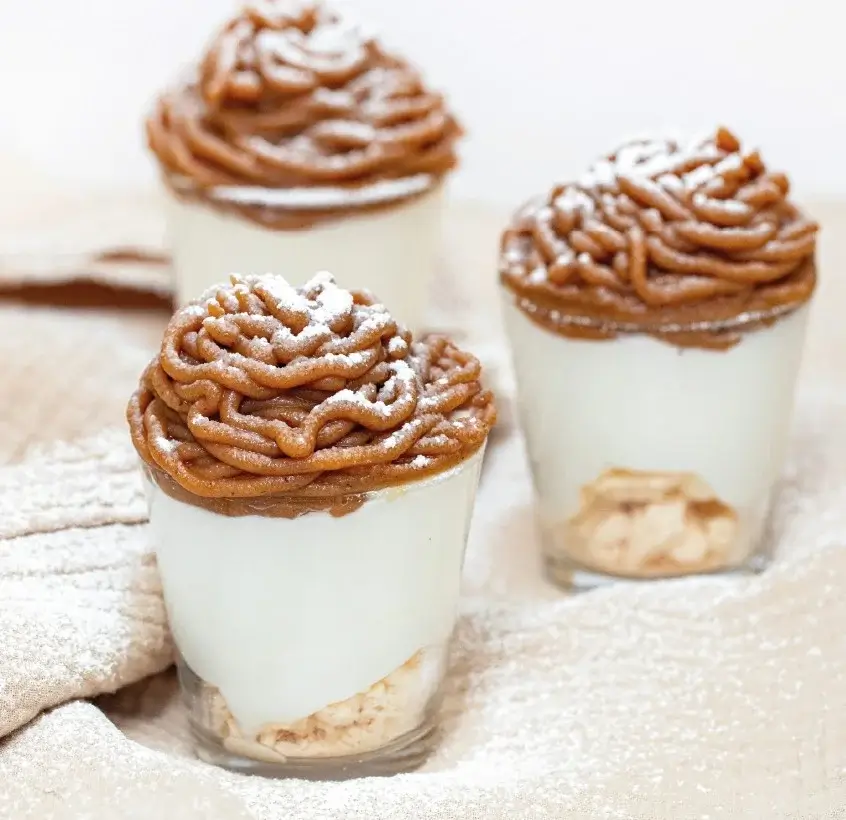
In our recipe book, we imagined the STAK verrine in revisited Mont Blanc, a contemporary interpretation of this great classic of French pastry. The transparency of glass allows you to admire the different layers: a crispy biscuit at the base, a smooth chestnut cream, meringue pieces, all topped with chestnut cream vermicelli and vanilla whipped cream. This vertical presentation, made possible by the glass format, creates remarkable visual impact.

This format also adapts brilliantly to savory preparations. Imagine a savory smoked salmon and dill tiramisu, a butternut panna cotta topped with parmesan shavings, or even a gazpacho served with its floating garnishes. The creative possibilities are endless, and the STAK 10 cl glass becomes the ideal canvas to express your culinary creativity.

The GINTO bottle: liquid signature and personalization

A distinctive format for your liquid creations

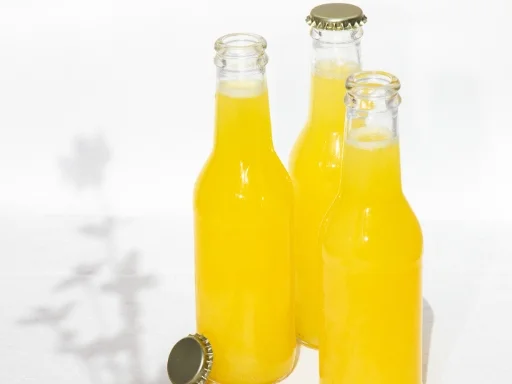
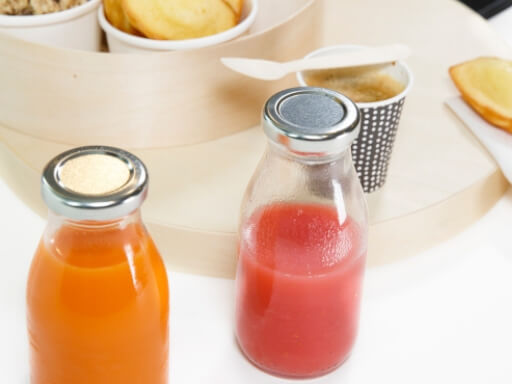
The GINTO glass bottle 20 cl stands out for its elegant design and perfect capacity for serving individual beverages with style. This format, associated with a golden metal crown cap, immediately evokes premium quality and attention to detail. For hotel bars, gourmet restaurants or event caterers, this bottle for signature cocktails becomes a true differentiation tool.

The 20 cl format corresponds precisely to the ideal portion for a non-alcoholic or alcoholic cocktail, allowing complete tasting without excess. This quantity control also facilitates cost management and standardization of your recipes, essential aspects for your establishment's profitability. The crown cap ensures hermetic closure, preserving aromas and allowing advance preparation, a considerable asset during high-traffic services.

Recipe ideas for the GINTO bottle

Creative possibilities with the GINTO bottle are vast. For a summer signature cocktail, imagine a "Mint Garden": cucumber-infused gin, homemade mint syrup, fresh lemon juice, sparkling water, all garnished with fine cucumber slices and fresh mint leaves visible through the glass. The individual bottle presentation allows each guest to visually discover the ingredients before tasting.

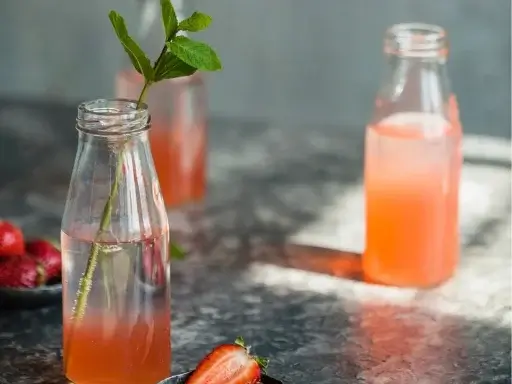
For establishments offering non-alcoholic options, flavored waters find an ideal case in the GINTO bottle. A lemon, ginger and rosemary detox water, or even a cold red fruit and basil infusion, gain perceived value when served in these elegant bottles. This presentation justifies premium pricing and reinforces the quality perception of your beverage menu.

Signature beverages in glass also constitute excellent takeaway products. For a catering service, offering your homemade cocktails in capped GINTO bottles allows your customers to extend the experience at home or offer them as guest gifts during private events. This nomadic dimension multiplies consumption occasions and reinforces your brand visibility.

Vintage milk bottles: authenticity and retro charm

A return to sources appreciated

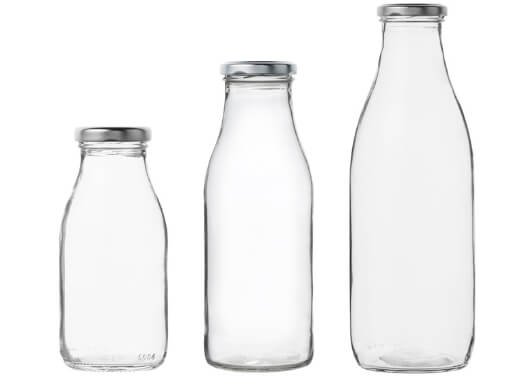
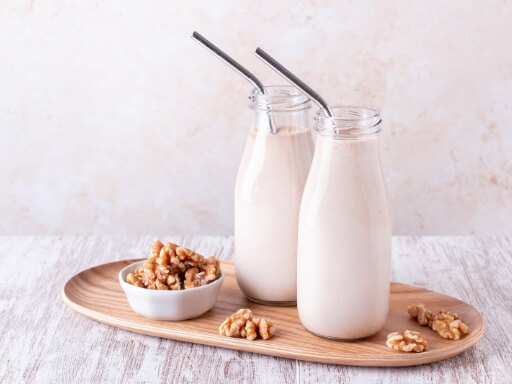
Glass milk bottles embody a nostalgic charm that appeals to customers seeking authenticity. Available in several formats:  25 cl50 cl and 1 liter, these versatile containers adapt to multiple catering uses. Their timeless design evokes dairies of yesteryear while integrating perfectly into contemporary aesthetic codes, particularly in Scandinavian, country or industrial universes.

The hermetic cap that accompanies these bottles guarantees optimal preservation and facilitates transport, making these containers precious allies for brunches in milk bottles or in-room breakfasts in hotel establishments. This practicality takes nothing away from elegance: on the contrary, it adds an appreciable functional dimension for your customers.

25 cl format: the refined individual portion

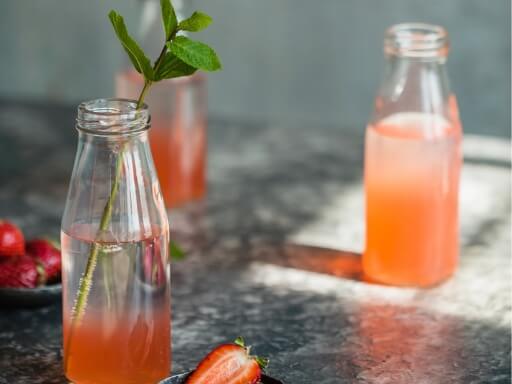
The 25 cl milk bottle represents the individual format par excellence. Perfect for serving dairy beverages during brunch, it accommodates both plain fresh milk and more elaborate creations. Imagine a homemade vanilla almond milk, a red fruit milkshake, or even a cold café latte for summer mornings.

This format also adapts brilliantly to nomadic desserts. A panna cotta served directly in the bottle, topped with a fruit coulis that the guest pours themselves at the moment of tasting, creates a playful and gourmet interaction. For caterers offering high-end picnic baskets, these small bottles can contain a smooth chocolate mousse or an orange blossom rice pudding, transforming a classic into a premium experience.

50 cl format: versatility for all occasions

The 50 cl format constitutes an ideal compromise between the generous individual portion and the sharing format for two people. In the context of an in-room breakfast, this bottle can contain freshly squeezed orange juice, a detox green smoothie or a spiced golden milk, all beverages that gain perceived value thanks to this careful presentation.

For establishments offering brunch formulas, the 50 cl format allows you to serve preparations to share: a tomato gazpacho for two, a cold cucumber yogurt soup, or even a smooth hot chocolate accompanied by homemade marshmallows presented separately. This convivial dimension of sharing reinforces the social experience of the meal.

1 liter format: the family and generous spirit

The one-liter bottle addresses family tables or self-service buffets. It allows you to offer fresh milk, artisanal fruit juices or flavored waters in sufficient quantity for several guests, while maintaining a coherent aesthetic presentation. On a brunch table, several one-liter bottles containing different juice varieties (orange, grapefruit, apple, carrot-ginger) create a colorful and appetizing visual impact.

This format is also perfectly suited to coffee shops and tea rooms offering takeaway beverages in family format. A liter of homemade oat milk, passion fruit iced tea or artisanal lemonade becomes a premium product when packaged in these reusable glass milk bottles. Your customers will appreciate being able to return the empty bottle to benefit from a discount on their next purchase, thus creating a loyalty deposit system.

Creating a coherent experience from cocktail to dessert

The importance of visual coherence

When you orchestrate an event, a tasting menu or simply your daily offer, visual coherence between your different containers creates a recognizable aesthetic signature. By combining STAK verrines, GINTO bottles and vintage milk bottles, you develop a harmonious visual universe where glass becomes the guiding thread of the experience.

This elegant tasting experience begins from the welcome with a signature cocktail in a GINTO bottle, continues with amuse-bouches served in STAK 6 cl verrines, is enriched with a sophisticated starter in a STAK 10 cl glass, and concludes with a spectacular dessert in a STAK 20 cl glass, accompanied by a café latte served in a 25 cl milk bottle. This entirely glass journey creates a memorable and instagrammable experience, a criterion that has become essential in 2026.

Usage scenarios for different types of events

For a corporate cocktail dinner, rely on the practicality of individual formats: GINTO bottles for welcome cocktails, STAK 6 cl and 10 cl verrines for a succession of savory and sweet bites allowing guests to circulate freely while tasting. The ease of gripping these containers and their natural elegance facilitate social interactions, the primary objective of this type of event.

For a Sunday brunch in your establishment, create a visually attractive buffet: milk bottles of different formats containing fresh juices and dairy beverages, STAK 20 cl glasses filled with yogurt and fresh fruit parfaits prepared in advance, STAK 10 cl verrines offering creamy scrambled eggs with smoked salmon or savory mousses. This self-service presentation facilitates table rotation while maintaining a high level of refinement.

For a wedding or private celebration, orchestrate a tasting menu entirely served in glass containers: welcome cocktail in GINTO, soup in STAK 10 cl verrine, main course accompanied by flavored water in 50 cl milk bottle to share, dessert in STAK 20 cl glass, and mignardises in STAK 6 cl verrines. This material uniformity creates a strong identity and coherent experience from beginning to end of the meal.

Operational optimization and container management


Beyond aesthetics, using standardized glass containers considerably simplifies the management of your stock and dishwashing. By investing in these three complementary ranges, you streamline your purchases and storage space while maximizing creative possibilities. The formats stack efficiently, optimizing the use of your reserves.

Glass resistance to professional dishwashers guarantees exceptional longevity of your containers. Unlike plastics that scratch and tarnish quickly, glass maintains its transparency and shine washing after washing. This durability translates into rapid return on investment, particularly for establishments with high rotation.

For caterers, the possibility of preparing certain creations in advance in these containers represents considerable time savings during events. Verrines can be assembled several hours before service and kept refrigerated, GINTO bottles can be filled and capped the day before, allowing optimal organization and reducing stress from last-minute preparations.

Recipe inspirations for each container

Recipes for STAK 6 cl verrines

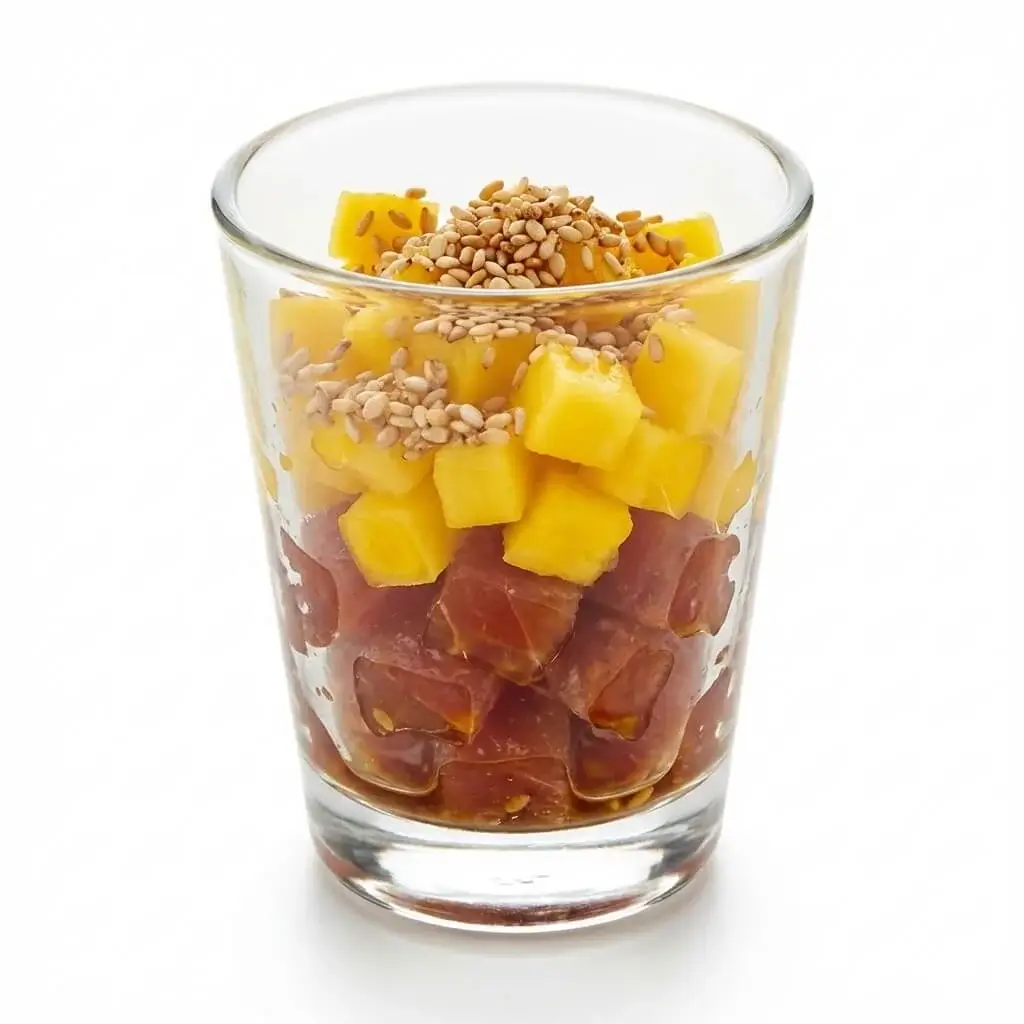
The small size of the 6 cl verrine imposes maximum concentration of flavors. Opt for a red tuna tartare verrine with mango and sesame: cubes of raw tuna marinated in soy and ginger, topped with fresh mango brunoise and sprinkled with toasted sesame seeds. The vertical presentation highlights the dazzling colors.

For a vegetarian option, offer a beet hummus verrine: homemade hummus naturally colored by red beet, topped with fresh cheese whipped with chives, toasted walnut pieces and a drizzle of flavored olive oil. Served with a small artisanal breadstick, this bite combines creamy and crunchy textures.

On the sweet side, dare a miniature cheese-cake: a base of crushed speculoos cookies, a vanilla fresh cheese mousse, all topped with a red fruit coulis and a fresh blueberry. These small desserts can be prepared in large quantities and kept several hours chilled.

Recipes for STAK 10 cl glasses

The 10 cl glass allows for more elaborate compositions. For the famous revisited Mont Blanc mentioned earlier, start by crumbling a ladyfinger soaked in rum syrup at the bottom of the glass, add a generous layer of quality chestnut cream, sprinkle with crushed mini-meringues, form chestnut cream vermicelli with a piping bag, and crown everything with a vanilla whipped cream rosette and a candied chestnut piece.

For a sophisticated savory creation, imagine a smoked salmon tiramisu: alternate layers of toasted crumbled sandwich bread soaked in a cream-dill mixture, mascarpone whipped with lemon and chives, fine smoked salmon slices, and renew the operation. Finish with a mascarpone layer sprinkled with dried dill and place a salmon egg for the luxurious final touch.

A poke bowl in verrine also constitutes a trendy option: vinegared sushi rice, marinated salmon or tofu cubes, diced avocado, edamame, radishes, all topped with a soy-sesame sauce and various seeds. This reinterpretation of Hawaiian poke in verrine format facilitates standing tasting during cocktails.

Recipes for STAK 20 cl glasses

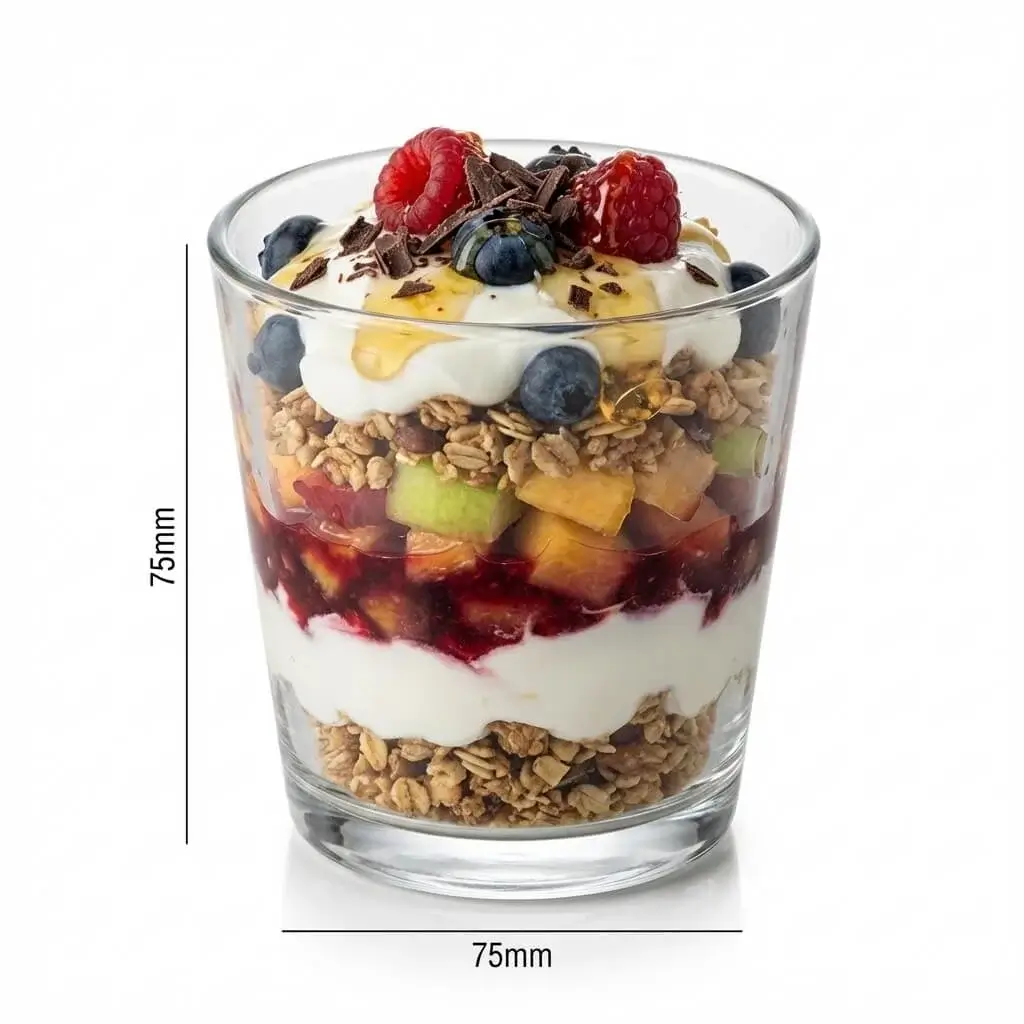
The generous format of the 20 cl glass invites spectacular creations. For brunch, compose a complete breakfast parfait: homemade honey and nut granola, smooth Greek yogurt, seasonal fruit compote, cut fresh fruits, new cycle of granola, yogurt, fresh fruits, crowned with fresh berries, dark chocolate shavings and a drizzle of liquid honey. This nutritious and balanced composition delights both eyes and palate.

For a spectacular frozen dessert, create a gourmet sundae: artisanal vanilla ice cream scoop, salted butter caramel coulis, chocolate ice cream scoop, cookie pieces, homemade whipped cream mounted at the last minute, chocolate shavings, amarena cherries and a wafer planted vertically. Glass transparency allows you to admire all layers of this generous dessert.

A Caesar salad revisited in verrine offers a healthy and elegant lunch option: sliced romaine lettuce, garlic croutons, parmesan shavings, grilled chicken strips, marinated anchovies, all drizzled with a creamy Caesar sauce served separately in a small GINTO bottle so everyone can dose according to their preferences. This presentation transforms a simple salad into a gourmet dish.

Recipes for GINTO 20 cl bottles

The GINTO bottle lends itself magnificently to creative cocktails. For a modern Mojito, mix white rum, cane syrup, pressed lime, lightly crushed fresh mint leaves, complete with sparkling water, add ice cubes, cap and serve with a reusable stainless steel straw. The mint and lime slices visible through the glass create a refreshing visual effect.

For a sophisticated non-alcoholic option, prepare a "Virgin Garden": fresh cucumber juice, elderflower syrup, lime, sparkling water, a few basil leaves and cucumber slices. This refreshing beverage is perfectly suited to business lunches or guests not consuming alcohol, without compromising on presentation elegance.

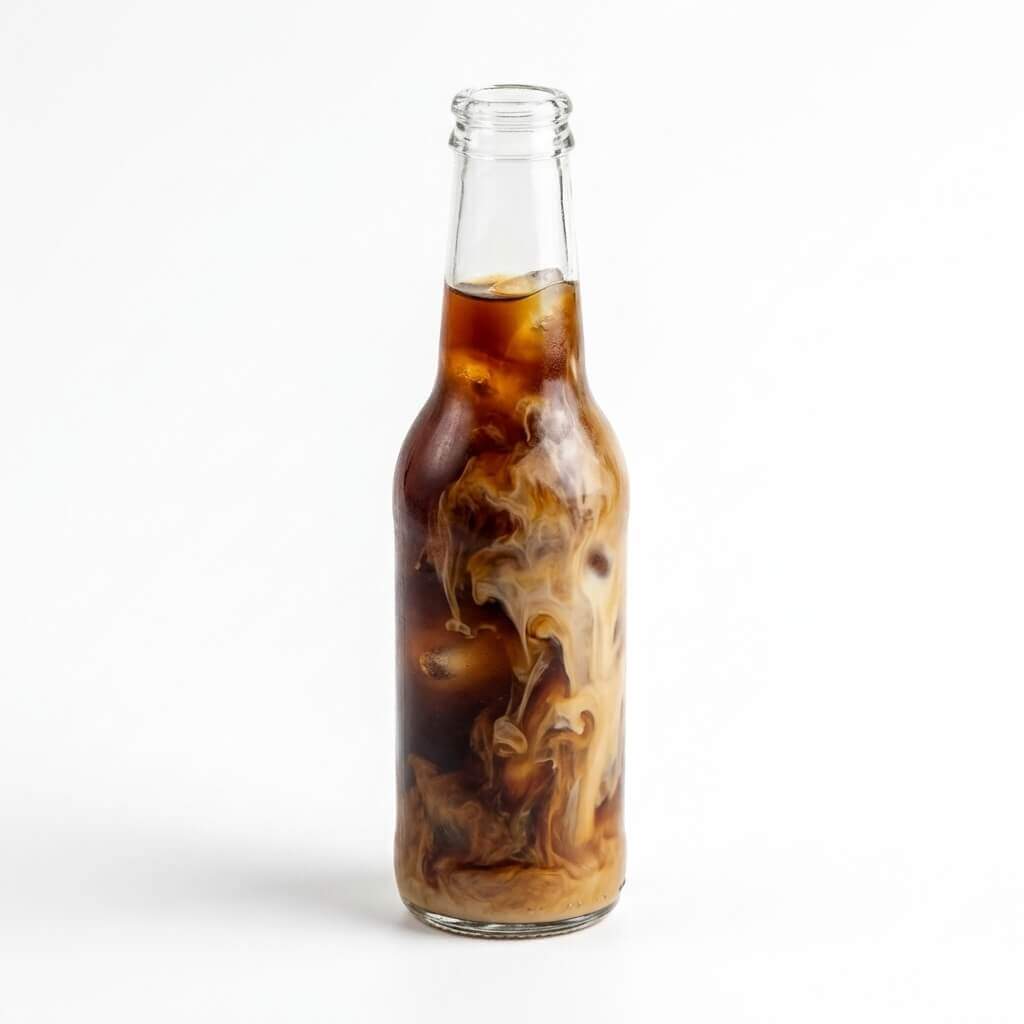
A cold brew coffee in GINTO bottle appeals to coffee lovers: coffee infused cold for 12 hours for gentle and aromatic extraction, slightly sweetened with agave syrup, with a cloud of plant milk (oat or almond) creating beautiful marbled effects in the bottle. Serve chilled for a refreshing and sophisticated coffee.

Recipes for milk bottles

Vintage milk bottles wonderfully accommodate creative dairy beverages. An invigorating golden milk combines plant milk (coconut or almond), grated fresh turmeric, ginger, cinnamon, black pepper, honey, all gently heated then filtered and poured into the bottle. Served warm, this beverage with anti-inflammatory properties appeals to wellness-conscious customers.

A gourmet strawberry-basil milkshake combines fresh strawberries, whole milk, vanilla ice cream, a few fresh basil leaves and a splash of strawberry syrup. Blended until smooth, this original milkshake pleasantly surprises with the unexpected combination of strawberry and basil.

For a nomadic dessert in 25 cl milk bottle, pour a homemade chocolate dessert cream, topped with vanilla whipped cream and chocolate shavings. The hermetic cap allows easy transport of this dessert, ideal for premium picnic baskets or takeaway desserts from your establishment.

Practical advice

Using glass containers for your food displays is much more than just an aesthetic choice. It is a strategic decision that impacts your positioning, brand image, profitability and environmental footprint. The three ranges presented : STAK verrinesGINTO bottles and vintage milk bottles constitute a complete ecosystem that allows you to cover your entire offering with consistency and elegance.

A complete range to cover your entire offering with consistency and elegance.
Whether you are an event caterer looking to stand out in a competitive market, a hotelier wishing to enhance your catering offering, or a restaurateur keen to modernise your presentations, these glass containers provide you with the tools to create memorable experiences. Their versatility allows for endless creations, from appetisers to desserts, savoury to sweet, hot to cold.

In 2026, with environmental awareness at an all-time high and the search for authentic experiences guiding consumer choices, offering reusable glass presentations is an undeniable competitive advantage.

Start gradually if you wish: first invest in a format that suits your speciality (STAK verrines for a pastry chef, GINTO bottles for a bar, milk bottles for a coffee shop), test the response of your customers, refine your recipes, then gradually expand your range. The important thing is to take the plunge into this premium presentation, which will permanently transform the perception of your offering.

Glass is just waiting for your creativity to reveal its full potential. What will be your first creation in a STAK glass? What signature cocktail will you develop in a GINTO bottle? What artisanal milk drink will you offer in a vintage milk bottle?

The possibilities are endless, and your customers are waiting for one thing: to enjoy the elegant tasting experiences that only you can create.

FAQ : your questions about glass containers for tasting

1. Are glass containers really more profitable than disposable ? 

Absolutely. Although the initial investment is higher, the exceptional durability of glass (several years of intensive use) largely compensates for this cost. A simple calculation: a disposable verrine costs about €0.30 and is used once. A glass verrine costs about €2 and is used 500 times minimum, i.e. a usage cost of €0.004, not counting the pricing valorization it allows. Return on investment generally occurs after 3 to 6 months of regular use.

2. How to avoid excessive breakage ? 

Yes, it's even one of the great advantages of this presentation. Most verrine preparations benefit from resting a few hours in the refrigerator, allowing flavors to marry. For preparations with crunchy elements (cookies, granola), add them at the last moment to preserve their texture. Verrines can generally be prepared 4 to 6 hours before service, some even the day before.

3. Can verrins be prepared several hours in advance ? 

Oui, c'est même l'un des grands avantages de cette présentation. La plupart des préparations en verrine gagnent à reposer quelques heures au réfrigérateur, permettant aux saveurs de se marier. Pour les préparations avec éléments croustillants (biscuits, granola), ajoutez-les au dernier moment pour préserver leur texture. Les verrines peuvent généralement être préparées 4 à 6 heures avant le service, certaines même la veille.

4. Do GINTO bottles require a special capper ? 

Crown caps indeed require a manual or electric capper, depending on your production volume. An entry-level manual capper costs about €30 and is sufficient for modest volumes (up to 50 bottles per service). For higher volumes, invest in a more robust and faster standing capper. This equipment pays for itself quickly if you regularly offer bottled beverages.

5. How can I promote these containers to my customers?

Communication is key. Mention on your menu that your presentations use reusable glass containers as part of an eco-friendly approach. Train your waiters to present this feature as an added value. On your social media accounts, show behind-the-scenes footage of your glass jar preparations. Create attractive visuals showcasing your creations. This promotion transforms a simple container into a unique selling point.