Categories : Blog

Which containers to choose for a takeaway dishes ?

In a rapidly changing out-of-home catering market, the choice of containers for takeaway food has become a major strategic challenge. Whether you are a restaurateur, caterer, food-truck operator or snacking professional, your packaging is no longer just boxes: they reflect your brand image, guarantee the quality of your preparations right up to the end customer and respond to growing expectations in terms of practicality and eco-responsibility.


Faced with a plethora of trays, bowls and pots, how do you find your way? What criteria should you prioritize according to your specialties? Which materials should you choose to combine performance and sustainability? This article guides you through the different options available, their specific uses and current market trends to help you make the best choices for your business.

Why the choice of container is strategic for your business ?

Food packaging plays a much more important role than one might imagine in the overall customer experience. It constitutes the first physical contact between your establishment and the consumer once they have left your premises or received their delivery order.

The impact on quality perception

A suitable container not only preserves the temperature and texture of your preparations, but directly influences the customer's perception of your service. A salad that arrives fresh in a perfectly sealed bowl, a hot dish that retains its heat in a suitable tray, or a dessert elegantly presented in a glass verrine: all these elements contribute to final satisfaction.

Studies conducted in 2025 show that 73% of consumers judge the quality of a takeaway restaurant also by the quality of its packaging. A percentage that climbs to 82% among under-35s, particularly sensitive to aesthetics and sharing on social networks.

The eco-responsible dimension, a decisive criterion

Environmental expectations continue to grow. Catering professionals must now deal with increasingly strict regulations concerning single-use packaging, while meeting their customers' requirements in terms of sustainable development.

Opting for ecological containers made of cardboard, bagasse or recyclable materials is no longer an option but a commercial necessity. This approach can even become a differentiating sales argument, provided you communicate well about your choices.

The different types of containers according to your uses

Each type of culinary preparation requires a suitable container to guarantee an optimal experience. Here is an overview of the main categories available and their specific applications.

Trays: versatility at the service of all dishes

Food trays are the most widespread solution in takeaway catering. Their success is explained by their incredible versatility: they adapt to both hot and cold dishes, individual portions and family formats.

For hot dishes with sauce, choose trays with a hermetic lid that prevents leaks during transport. Kraft cardboard models with waterproof inner film offer an excellent compromise between natural aesthetics and technical performance. For preparations requiring oven or microwave heating, certain trays are specially designed to withstand these thermal constraints.

Rectangular formats are particularly suitable for lasagna, gratins and dishes with sauce, while compartmentalized trays allow you to separate the different elements of a complete menu without them mixing.

Bowls: ideal for composite preparations

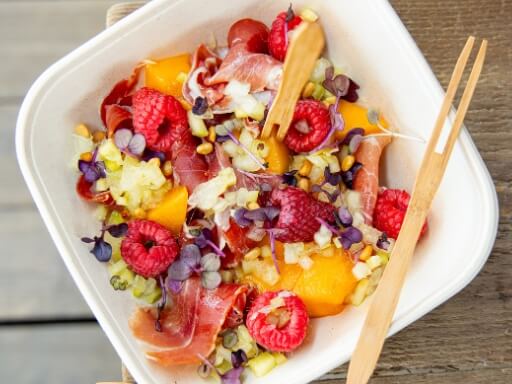
The takeaway bowl has conquered the healthy snacking market and fast food concepts like poke bowl, buddha bowl or composed salads. Its rounded shape facilitates the mixing of ingredients and offers a visually attractive presentation.

The Ola bowl of 45 cl represents an ideal capacity for a generous individual portion. For sharing formats or more copious dishes, larger capacities exist, up to 1.5 liters.

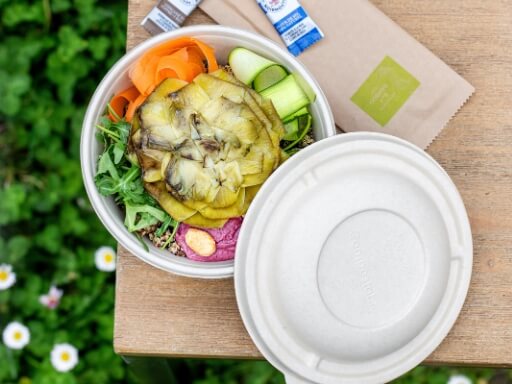
Kraft cardboard bowls, particularly trendy, convey a natural and eco-responsible image highly appreciated by consumers. They can be customized with your logo to reinforce your visual identity. For very liquid preparations like soups or ramens, make sure the inner coating guarantees perfect sealing, even for several hours.

Pots: for individual portions and desserts

Food pots excel in serving individual portions, especially for desserts, soups, sauces or accompaniments. Their compact format facilitates storage and transport.

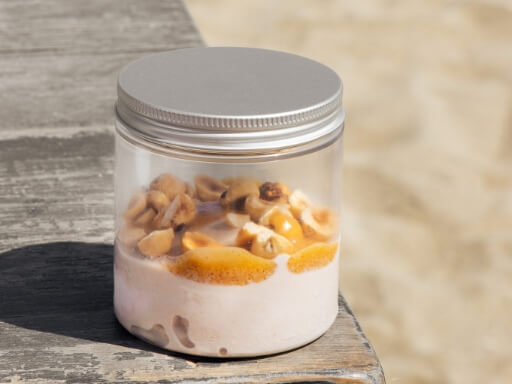
The Twist Bodega pot of 50 cl with its secure closure system is perfect for liquid or semi-liquid preparations. Glass pots, although heavier and more fragile, offer valuable premium positioning for high-end desserts or artisanal preparations you wish to highlight.

For yogurts, mousses and other dairy desserts, pots can be sealed with an aluminum lid, guaranteeing optimal preservation and professional presentation. This solution reassures the consumer about product freshness and prevents any risk of contamination.

Plates and trays: for catering formats

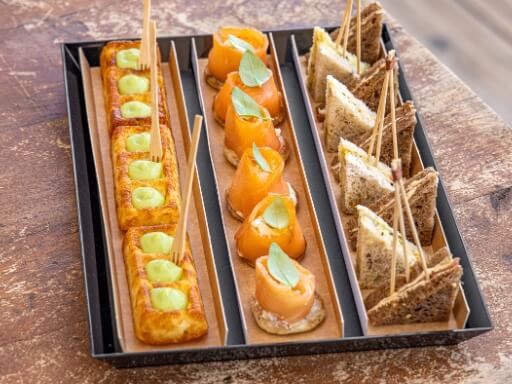
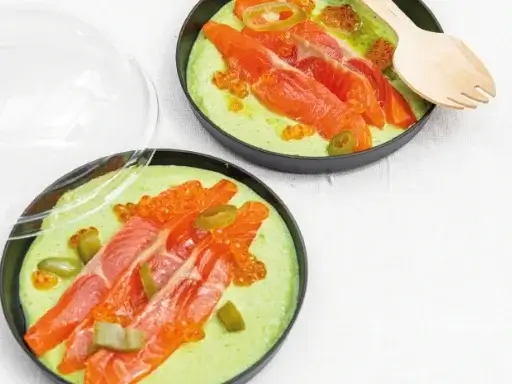
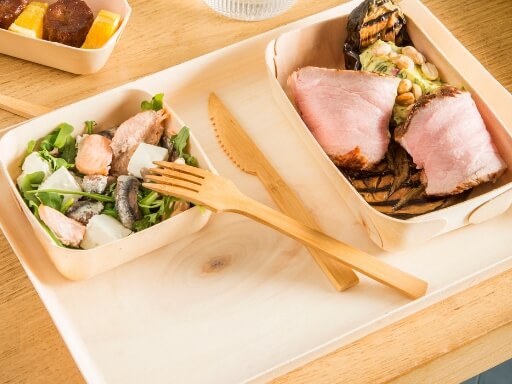
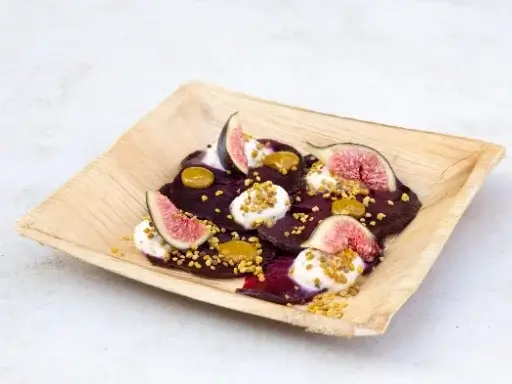
Disposable plates and trays respond to the specific needs of event catering, buffets and receptions. The Madera plate made of plant material perfectly illustrates the current trend: combining aesthetics, solidity and respect for the environment.

These flat formats allow careful presentation of cold preparations (verrines, canapés, finger foods) and facilitate their transport during quantity deliveries. For events, choose plates rigid enough to support the weight of food without deforming, even when held with one hand.

> Discover our plates and trays

Compartmentalized containers and boxes

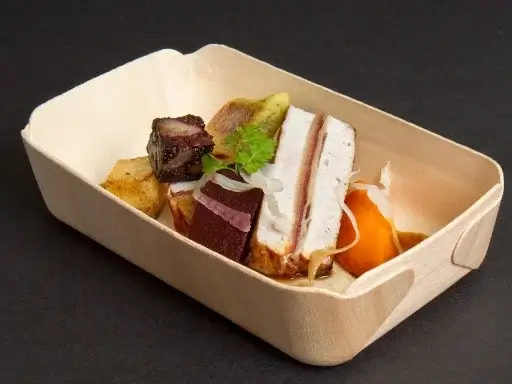
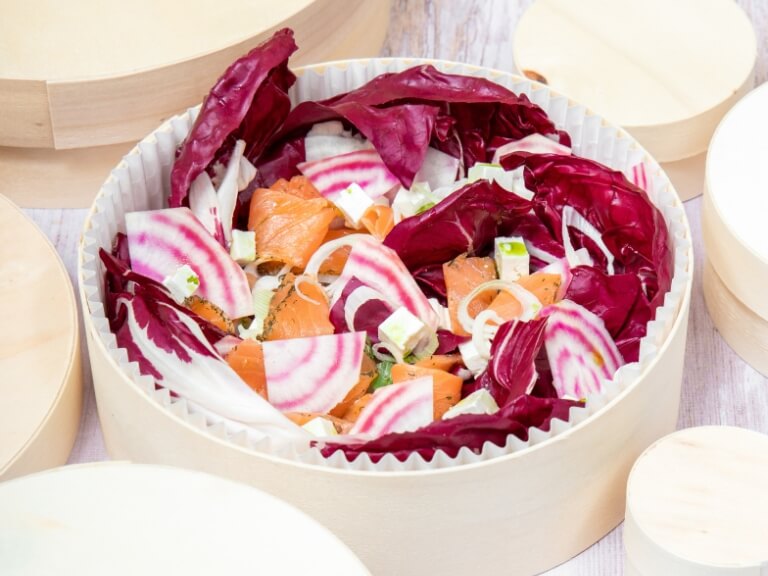
The Woodbox of 1.5 liters with its integrated compartments responds to a growing need: offering complete menus with starter, main course and dessert in a single practical container. This format particularly appeals to corporate customers for office lunches.

Compartmentalized boxes allow you to separate the different components of a meal, preventing flavors from mixing and preserving the texture of each element. For a burger with fries, for example, this separation prevents the fries from becoming soggy in contact with the sauce.

> Discover the Woodbox range

Choosing the right material for your containers

The choice of material for your food packaging directly impacts their technical performance, their environmental impact and the image you convey. Here is an overview of the main options available in 2026.

Cardboard and kraft: the alliance of ecology and aesthetics

Kraft cardboard dominates today's ecological packaging market. Biodegradable, compostable and often from sustainably managed forests, it ticks all the boxes of eco-responsibility while offering a very trendy natural aesthetic.

For fatty or moist preparations, cardboard requires an inner coating, usually PLA (polylactic acid) of plant origin, which ensures sealing without compromising biodegradability. Be careful however: not all cardboards are equal in terms of resistance. For hot and heavy dishes, check the thickness and quality of the cardboard used.

The main advantages of cardboard include its lightness (reduced transport costs), its ease of customization (printing your logo) and its positive image among consumers. Its main disadvantage lies in its lower resistance to prolonged humidity compared to other materials.

Greaseproof kraft container
Meal Bol 75cl

Bagasse: the eco-design champion

Sugarcane bagasse represents one of the major innovations of recent years in food packaging. This material is obtained from the fibrous residues of sugar cane after juice extraction, thus valorizing agricultural waste.


100% compostable in industrial conditions, bagasse supports both hot and cold and can go in the microwave. Its slightly granular texture and natural beige color give it an authentic and artisanal appearance highly appreciated. It is particularly suitable for cocottes of 30 to 60 cl for individual hot dishes.


One of the major assets of bagasse is its thermal resistance: it withstands temperatures ranging from -20°C to +220°C, making it compatible with a wide variety of uses. Its cost, slightly higher than standard cardboard, is offset by the strong commercial argument it represents to an ecology-conscious clientele.

Recyclable plastic: when technical performance takes priority

Despite plastic's bad image, certain recyclable plastics remain essential for specific applications requiring perfect transparency, absolute sealing or maximum mechanical resistance.

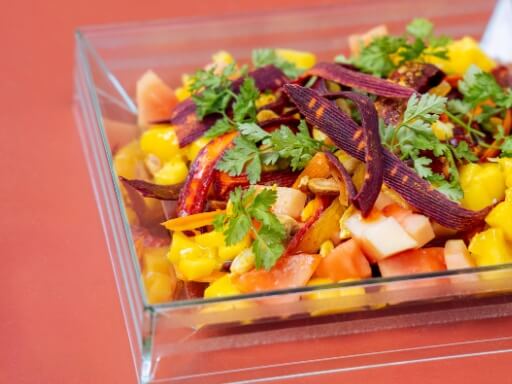
Recyclable PET (polyethylene terephthalate) stands out for its crystal clarity, ideal for visually enhancing your preparations like composed salads, fresh fruits or desserts. It also offers an excellent oxygen barrier, preserving food freshness.

PP (polypropylene) resists high temperatures and is therefore suitable for dishes intended to be reheated in the microwave. Always choose plastics bearing the recyclability logo and clearly communicate sorting instructions to your customers.

The current trend is towards bio-based plastics, made from renewable plant materials rather than petroleum, offering similar performance with a reduced carbon footprint.

Cubik Cristal Plate
Palm Tree Plate

Innovative and alternative materials

The food packaging sector regularly sees new promising materials emerge. 

Palm leaves, collected naturally after their fall, constitute a 100% natural alternative for plates and trays with a very aesthetic finish, perfect for high-end presentation. Bamboo, a fast-growing and very resistant material, is also gaining ground for reusable or high-end disposable containers.

Adapting the format to the type of preparation

Beyond the material, the format and capacity of your containers must be carefully chosen according to your culinary specialties to optimize both presentation and customer experience.

For hot dishes with sauce

Braised preparations, curries, stews and other dishes with sauce require perfectly hermetic containers to avoid disastrous leaks during transport. A deep tray with a secure clip lid is the ideal choice.

Choose a volume slightly larger than the portion served to leave space between the liquid and the lid, thus minimizing overflow risks. For very liquid sauces, consider serving them separately in small pots, allowing the customer to add them according to their preferences and preventing accompaniments from becoming soggy.

Thermal resistance is crucial: some customers want to reheat directly in the container, which must therefore withstand the microwave without deforming or releasing harmful substances.

> Discover our containers

For salads and cold preparations

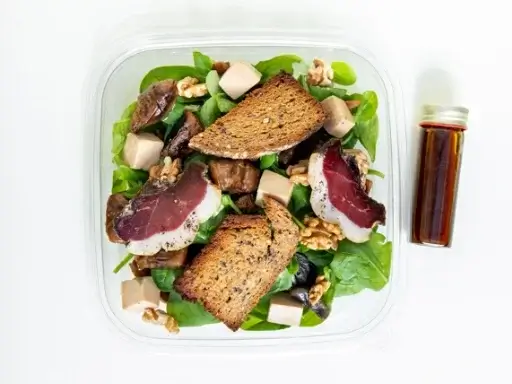
Composed salads benefit from presentation in a transparent bowl that highlights the freshness and colors of the ingredients. A domed lid prevents compression of the leaves and maintains the salad's volume.

To preserve crunchiness, offer the dressing separately in a small side pot. This practice, now standard in salad bar concepts, prevents vinaigrette from softening leaves during transport and allows the customer to dose according to their taste.

Compartmentalized containers are gaining popularity for Buddha bowls and poke bowls, allowing you to separate different ingredients (proteins, cereals, raw vegetables, toppings) until consumption time.

> Discover our cups and bowls

For sandwiches, wraps and burgers

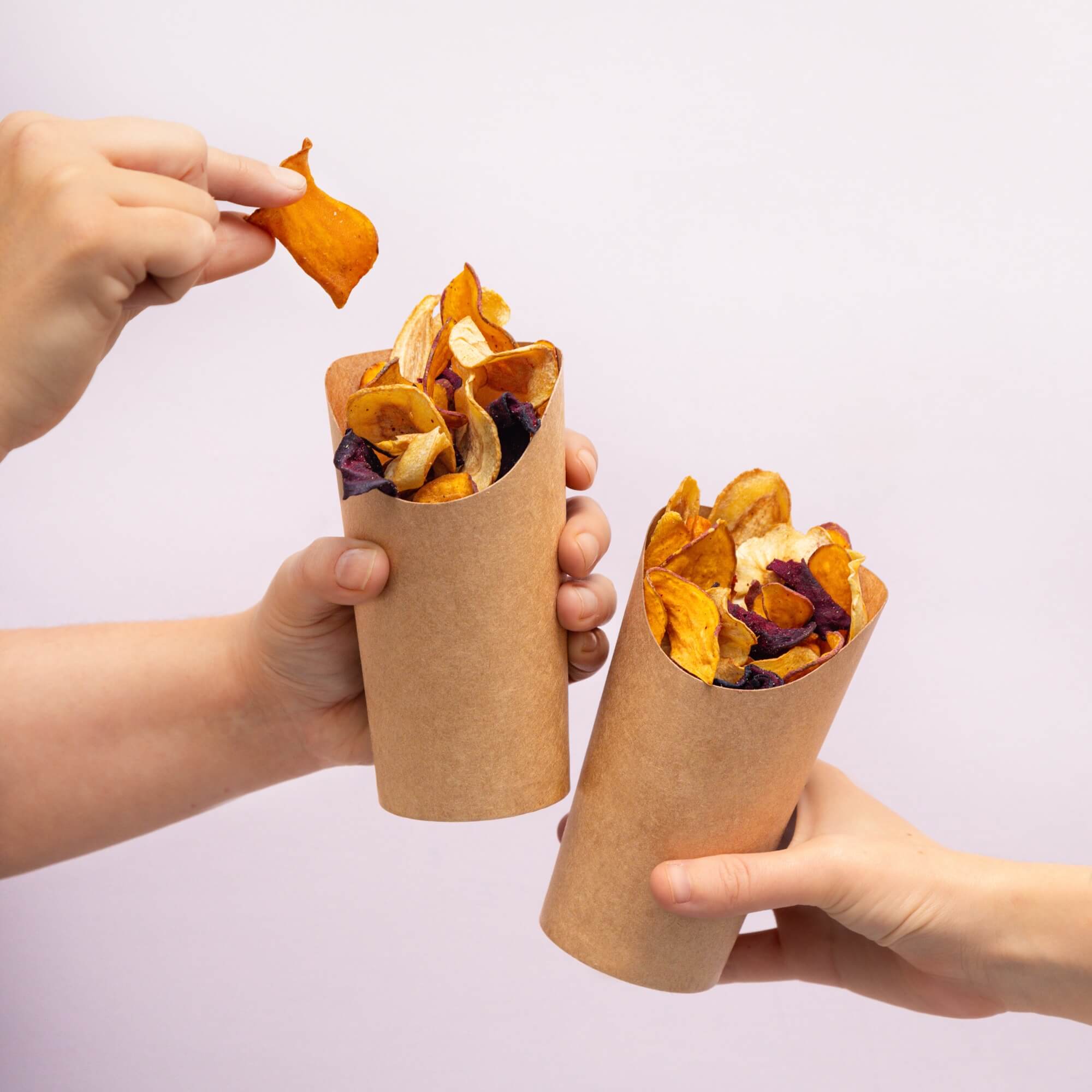
These flagship snacking preparations require packaging that maintains their shape while allowing easy handling. Kraft cardboard pouches with transparent window offer a good compromise: protection, partial product visibility and ease of mobile consumption.

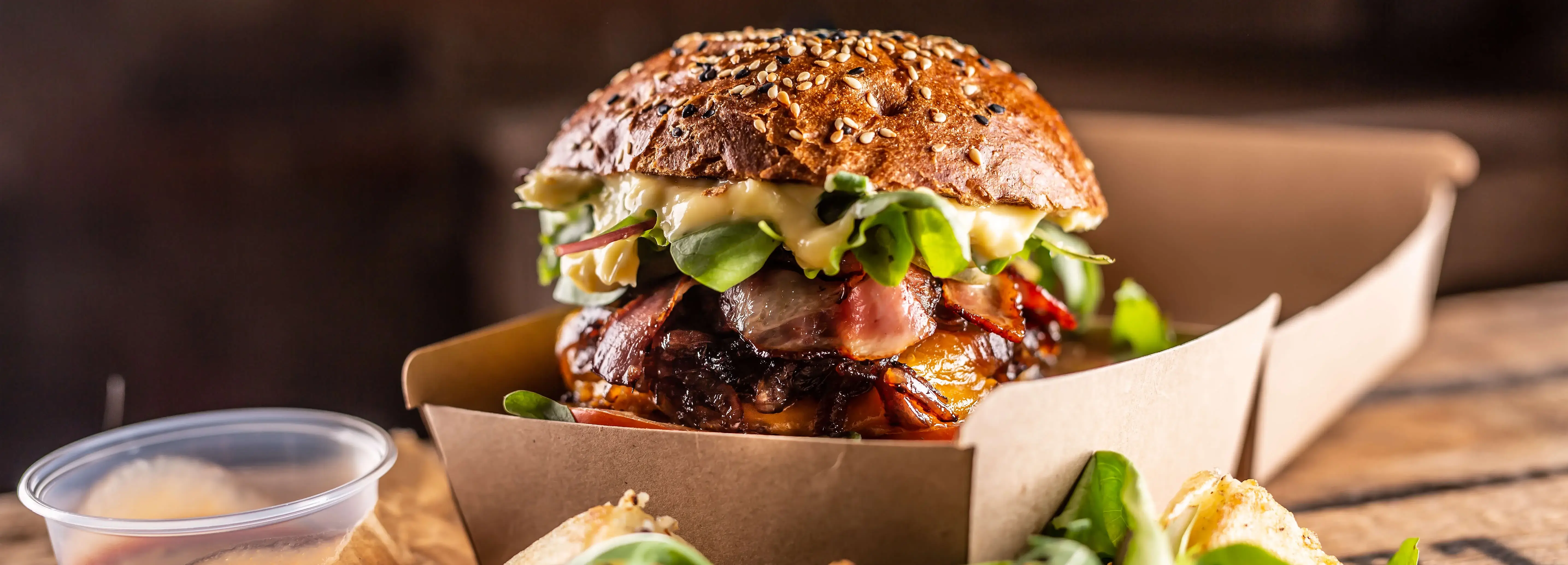
For burgers, cardboard boxes with integrated wedging prevent product displacement and ingredient crushing. Some models have perforations facilitating steam evacuation, thus preventing the bread from becoming excessively soft.

Think about the practical dimension: packaging too complex to open will frustrate the customer in a hurry, while packaging too loose will not sufficiently protect the preparation during transport.

>Discover our range of takeaway products

For desserts and pastries

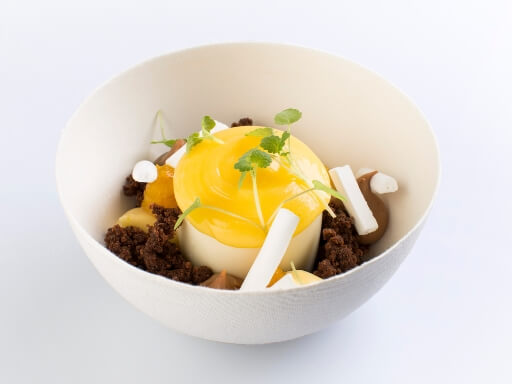
Dessert presentation plays a crucial role in the purchase decision, particularly for high-end pastries. Transparent verrines highlight texture and color layers, transforming the dessert into an object of visual desire.

For tarts, cakes and fragile pastries, rigid boxes with upper window allow you to admire the product while effectively protecting it. Make sure the height is suitable so as not to crush decorations or meringues.

Mousses, tiramisu and other spoon desserts lend themselves perfectly to hermetic pots that preserve their freshness and allow optimal preservation.

> Discover our verrines

For individual versus family portions

Offering different capacities responds to the varied needs of your clientele. Individual portions (between 300 ml and 600 ml) dominate the weekday lunch market, while family formats (1.5 to 3 liters) experience a peak on weekends and evenings.

Offering several sizes for the same dish allows you to reach a wider clientele and optimize your sales. Be careful however not to multiply your references excessively, which would complicate your stock management and slow down service.

The decisive criteria for your customers

Understanding your customers' expectations regarding packaging allows you to refine your choices and stand out from the competition. Here are the main criteria that influence their satisfaction..

Sealing and food safety

Nothing is more off-putting than sauce leaking in a delivery bag. The leak-proofness of your containers directly affects customer loyalty. That's why we design our packaging to withstand the real conditions of transport: stacked containers, tilting, delivery bags, etc. We encourage you to test them systematically before adopting them in your daily routine.

Our closure systems are designed to be both secure and easy to use. Clips, lids, closures: we offer different levels of security depending on the nature of your preparations.

At COMATEC, all our containers comply with current food contact regulations so that you can offer your customers products with complete peace of mind.

Practicality and ergonomics

Practical packaging makes life easier for your customers at every stage: transport, refrigerated storage, reheating and consumption. Our containers feature handles, ergonomic cut-outs and grip areas to make it easier to transport large or multiple orders.

Microwave compatibility is now essential, especially for lunches eaten at the office. Our microwave-safe packaging is clearly marked with the maximum recommended temperatures for safe use.

We have also designed our containers to be stackable to optimise space in your delivery bags. Our ranges, which are the same length and width but come in different heights, allow for stable stacking and make it easier to manage multiple orders.

Aesthetics and product enhancement

In the age of social media, attractive packaging is a powerful marketing tool. Eye-catching packaging encourages your customers to share their orders online, generating free visibility for your business. We offer containers designed to be as beautiful as they are functional.

Customisation is at the heart of our offering: logo, colours, message... We help you create a strong and recognisable visual signature, even on kraft trays, to reinforce your brand identity with every order.

Our packaging with transparent windows creates an effect of curiosity while reassuring customers about the freshness and quality of your preparations. For visually appealing dishes, we also offer fully transparent containers, which make your product the primary selling point.

Environmental impact

En 2026, eco-responsibility is a fundamental expectation of your customers, especially younger generations. At COMATEC, we are developing a range of environmentally friendly packaging: biodegradable, compostable, recyclable, made from bio-based materials... to enable you to meet these new requirements.

We provide you with all the information you need to clearly communicate the environmental characteristics of your containers and guide your customers through the sorting instructions, in order to maximise recycling efficiency.

For establishments that want to go even further, we offer reusable glass or sustainable plastic container solutions. This is a virtuous circular model that is particularly appreciated by committed customers and is a real differentiating factor for your business.

The choice of containers for your takeaway dishes should never be neglected or considered as a simple logistics issue. It is a true commercial differentiation tool that directly impacts customer satisfaction, your brand image and, ultimately, your profitability.

In 2026, consumers are more demanding than ever: they expect practical, aesthetic, safe and environmentally friendly packaging. Meeting these multiple expectations requires deep reflection on your specific needs, your budgetary constraints and the values you wish to convey.

Whether it's versatile trays, trendy bowls for your composite preparations, elegant verrines for your desserts or resistant cocottes for your braised dishes, each container category responds to precise needs. The essential thing is to adapt your choices to your culinary offering, your clientele and your positioning.

Don't hesitate to test different options, request samples from your suppliers and involve your team in the selection. The best packaging is that which facilitates your staff's work while delighting your customers. Investing in quality containers means investing in the sustainability of your business and the lasting satisfaction of your clientele.

So, ready to rethink your packaging strategy and transform this logistical constraint into a true commercial asset? Your customers, your team and the planet will thank you.
FAQ : Frequently asked questions

1.What is the difference between biodegradable and compostable?

biodegradable package decomposes naturally under the action of microorganisms, but without time or final result constraints. A compostable package meets precise standards (EN 13432 in Europe): it must degrade in less than 12 weeks under industrial composting conditions and produce quality compost, without toxic residues. Compostable is therefore a stricter guarantee than simple biodegradable.

2. Can all containers go in the microwave?

No, not all containers are microwave compatible. Aluminum packaging is strictly prohibited as it can cause sparks. Certain plastics deform with heat and can release undesirable substances. Always check the microwave compatibility pictogram on the packaging. Cardboard, bagasse containers and certain plastics (particularly PP) generally withstand reheating well.

3. How to choose the right capacity for my dishes?

Capacity must correspond to your standard portion while leaving a small space (about 1 cm) between the content and the lid for liquid preparations. For a standard individual portion, count 400-600 ml for a main course, 300-400 ml for a salad, and 800-1200 ml for a sharing format. Test different sizes to find the optimal balance between generous presentation and cost control.

4. Are there containers suitable for specific diets?

Some manufacturers offer different olored packaging or with specific markings to easily identify vegetarian, vegan, gluten-free dishes or other particular diets. You can also use labels or stickers to differentiate your preparations and avoid errors during delivery or service.

5. How to guarantee the sealing of my containers?

Sealing depends on three factors: the quality of the container itself, the closure system and compliance with filling volume. Never fill a container to more than 80% of its capacity for liquid preparations. Check that lids snap on correctly and systematically test your packaging by tilting or shaking them slightly before delivery.

6. Can I customize my containers even for small quantities?

Yes, COMATEC offers customised solutions: printing your logo, colours or any message that reflects your image. Customisation is available for orders of 5,000 units or more, depending on the product. To find out the specific conditions for each item and obtain a quote tailored to your project, please visit our customisation page or contact our sales team directly. An economical alternative is to use customised stamps or stickers that you can apply yourself to plain packaging.